
Springs Calibrated for Balanced Movement
Torsion Spring Installation in Neenah for worn springs and uneven garage door operation
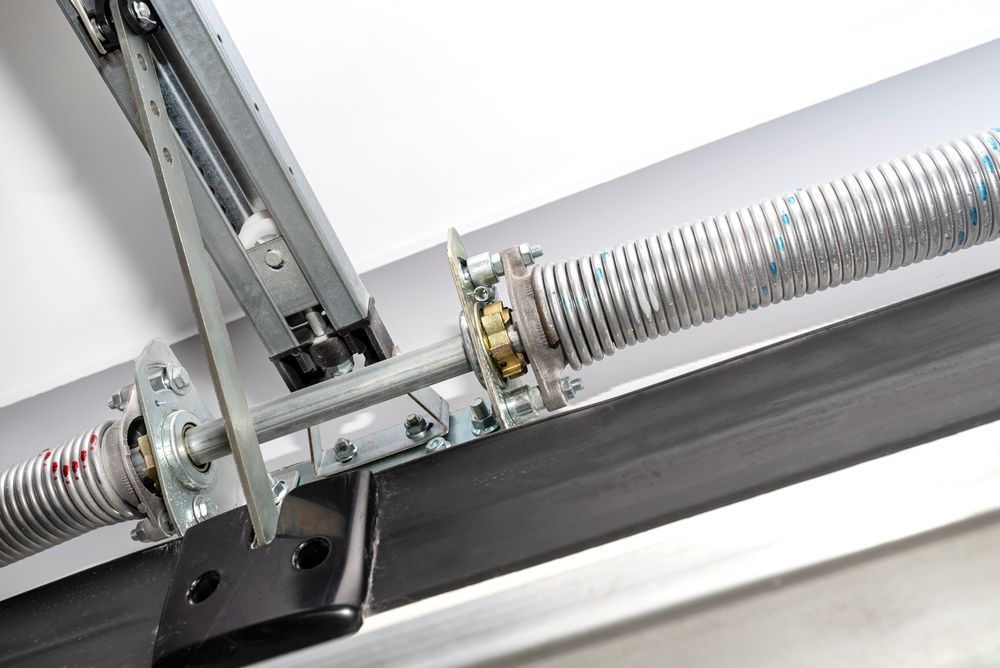
Torsion springs mount on a shaft above the door opening and store the energy needed to counterbalance the door's weight, allowing the opener motor to function without excessive strain. When these springs fail, the door becomes too heavy to lift manually or causes the opener to labor and overheat during each cycle, often producing a loud bang as the spring breaks under tension. Garage Door Specialists Inc. replaces worn or broken torsion springs in Neenah, selecting springs rated for the specific weight and size of your door to restore proper balance and prevent premature operator failure.
Spring installation requires measuring the door's weight, calculating the required spring tension based on door height and panel construction, and winding the new springs to the correct number of turns that produce balanced lift. Technicians use winding bars to safely load tension into the springs, a process that involves significant force and carries injury risk if attempted without proper training and tools. They test the door's balance by disconnecting the opener and manually lifting the door halfway, verifying that it remains stationary rather than falling or rising on its own.
Schedule professional spring installation to restore safe garage door function and avoid the dangers associated with DIY spring replacement.
What Failing Springs Show Before Breaking
Springs approaching failure produce warning signs including visible gaps between coils when the door is closed, indicating that the metal has stretched beyond its rated capacity. You may notice the door opening more slowly than usual, struggling to reach full height, or settling back down slightly after the opener stops, all signs that spring tension has weakened. Loud creaking or popping sounds during operation suggest that coils are binding or that the spring shaft needs lubrication, though these noises can also indicate that the spring is near the end of its cycle life and approaching failure.
Once new springs are installed and properly tensioned, the door lifts smoothly with minimal effort when operated manually, and the opener motor runs quietly without the grinding or straining sounds that indicated it was compensating for weak springs. The door stays in position when stopped at any point along its travel, rather than drifting down or jerking upward due to imbalanced spring force. Panels align evenly on both sides of the door opening during movement, eliminating the tilting or binding that occurred when one spring lost tension before the other.
Spring installation focuses on restoring counterbalance and does not include repairs to cables, rollers, or tracks unless those components have also failed or contributed to the spring breakage. Technicians inspect related hardware during spring replacement and alert you to any wear patterns that suggest additional service will be needed in the near term, but they complete only the work you authorize during the visit.
What Property Owners Usually Ask
Questions about
torsion spring service often address safety concerns, lifespan expectations, and the risks of delaying replacement when springs show wear.
What makes torsion spring replacement dangerous for homeowners to attempt?
Springs store hundreds of pounds of tension even when the door is closed, and improper winding bar technique or inadequate tools can cause the spring to release suddenly, resulting in serious hand injuries or damage to the door and surrounding structure.
How long do torsion springs typically last in Neenah's climate?
Most residential torsion springs are rated for 10,000 to 15,000 cycles, which translates to approximately seven to ten years of use depending on how frequently the door operates, though Wisconsin's temperature extremes can accelerate metal fatigue and reduce lifespan.
Why does one spring break before the other on a two-spring system?
Springs are manufactured in batches and installed simultaneously, so they accumulate similar cycle counts, but minor variations in metal composition or winding tension cause one spring to reach its fatigue limit slightly ahead of its counterpart.
What happens if I continue using the garage door after one spring breaks?
Operating the door with only one functioning spring places double the load on the remaining spring and the opener motor, often causing the motor to overheat or the second spring to fail prematurely due to excessive strain.
How do technicians determine the correct spring size for replacement?
Technicians measure the door's weight using a scale or calculation based on panel material and dimensions, then select springs with the appropriate wire diameter, inner diameter, and length to provide the correct counterbalance force for safe operation.
Garage Door Specialists Inc. stocks springs in multiple sizes and tension ratings to handle same-day replacement for most residential door configurations, reducing downtime and restoring secure garage access. Contact the team to arrange spring service and avoid the safety hazards and operator damage that result from continued use of failed or failing springs.